
fullkmspico
0 Course Enrolled • 0 Course CompletedBiography
KMSPico Activation Landscape: Architectural Deep Dive, Malware Detection, and Operating System Security
Operating systems and productivity software suites form the critical operational backbone of modern digital computing across personal, educational, and enterprise environments. Because comprehensive software suites require substantial financial outlays, millions of users worldwide continuously query search engines to discover alternative software activation methodologies. Within this global search ecosystem, Key Management Service utilities—most prominently KMSPico—command massive search volumes every single day.
Navigating the internet to fulfill software activation requirements introduces individuals, students, and system administrators to intricate technical structures and high-severity cybersecurity vulnerabilities. Operating system activation is bound directly to core kernel services, sensitive registry trees, and background licensing verification engines. When users attempt a kmspico download or initiate a download kmspico search across modern computing platforms, they interact with deep operating system layers that are heavily co-opted and monitored by cybercriminal syndicates.
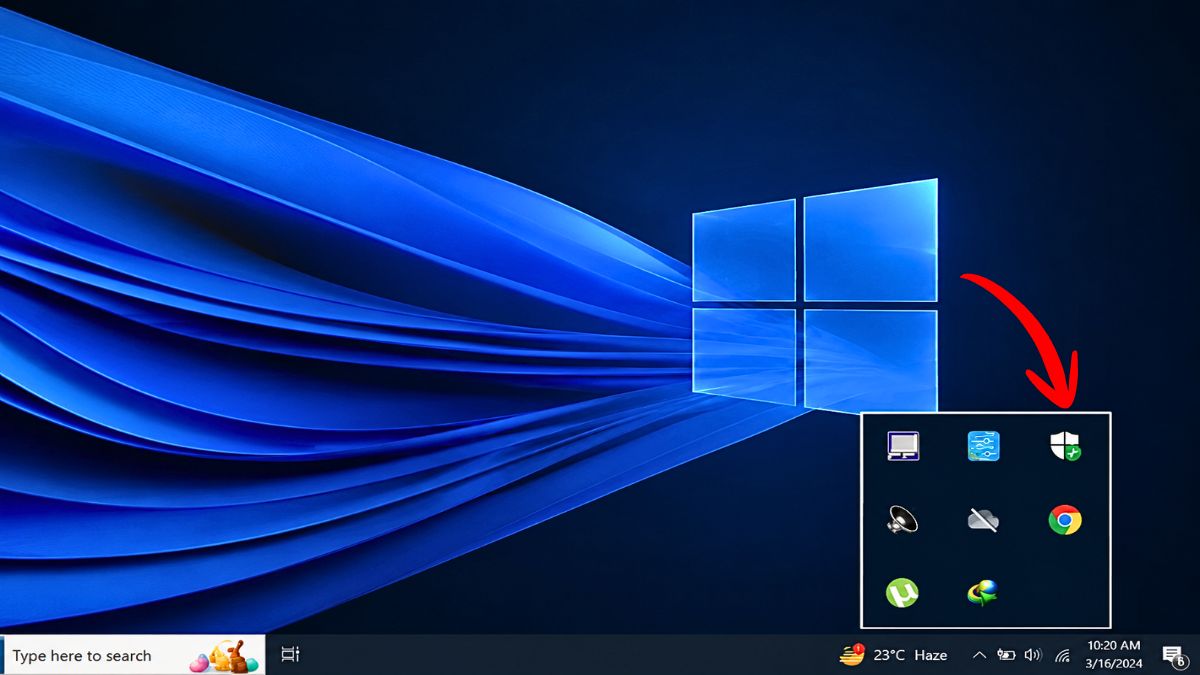
The Anatomy of Modern Software Activation and Search Intent Breakdown
To understand the persistent demand for activation utilities and the corresponding security vulnerabilities they introduce, one must examine the specific search behaviors and practical requirements driving user queries across global engines. Rather than treating these phrases as isolated search terms, we categorize them into distinct functional, procedural, and compatibility demands that reflect real-world user workflows.
When users initiate broad navigational searches such as Kmspico Download or download kmspico, their primary objective is informational. They are attempting to locate general documentation, understand the historical evolution of the KMSPico utility, and identify functional files capable of suppressing operating system activation prompts. Similarly, queries targeting cost elimination, such as kmspico free download, reflect an economic intent where users seek zero-cost activation solutions. However, this cost-seeking behavior frequently blinds users to the hidden cybersecurity costs associated with executing unverified binaries downloaded from third-party advertising mirrors.
Trust-seeking search queries, exemplified by users typing kmspico download filehippo into search engines, demonstrate an attempt to acquire clean, vetted software on reputable software repositories. Understanding this intent requires analyzing why mainstream commercial repositories strictly refuse to host licensing bypass utilities and how third-party phishing domains imitate well-known portals to trap unsuspecting visitors. On the verification front, users frequently search for kmspico download official site hoping to download directly from the original creators. Addressing this query requires examining the historical retirement of Team Daz and explaining why every website claiming official status today is operated by unauthorized distributors.
For operating system specificity, users consistently generate massive search volume around queries such as kmspico download windows 10, download kmspico for windows 10, windows 10 activator download kmspico, and kmspico windows 10 download. These users want to know how Key Management Service emulation interacts with the Windows 10 Software Protection Platform service and why local antivirus engines block these installers instantly. As operating systems advance, compatibility queries like kmspico download windows 11 address the structural impact of modern hardware-level security barriers, such as SmartApp Control and Trusted Platform Module enforcement, upon local emulation scripts.
Procedural queries such as how to download kmspico activator and kmspico activator download focus on step-by-step execution and component functionality, leading users directly into password-protected archive traps on search engine landing pages. Legacy compatibility queries like download windows 7 activator kmspico address older hardware environments where users attempt to run volume activation tools on end-of-life operating systems lacking modern kernel mitigations. Finally, productivity queries such as download kmspico office 365 highlight the structural conflict between local loopback emulation and cloud-authenticated subscription services, while threat-focused queries like kmspico win 10 download risks demand an exhaustive categorization of the malware families, information stealers, and ransomware droppers packaged inside modern distribution channels.
Evolution of Digital Rights Management versus Key Management Service Emulation
To comprehend what occurs when a user initiates a kmspico activator download or executes an activation tool, one must master the legitimate enterprise licensing technology engineered by Microsoft upon which these utilities are modeled: Key Management Service.
Microsoft Enterprise Volume Licensing Mechanics
Microsoft developed Key Management Service to streamline operating system and application deployment across large corporate networks, universities, and government agencies. When an enterprise deploys thousands of desktop workstations and office suites across multiple physical buildings, requiring system administrators to enter unique 25-character retail product keys onto every individual machine is administratively impossible. Furthermore, forcing thousands of internal workstations to continuously query external public activation endpoints creates unnecessary network traffic and external dependency bottlenecks.
Key Management Service solves these logistical challenges by allowing an organization to host its own internal activation server directly within its corporate local area network. The organizational IT administrator installs a specialized Key Management Service host key onto a dedicated internal server and activates that single host server directly with Microsoft. Subsequently, when a new client workstation configured with a generic volume license setup key boots onto the corporate network, it queries local Domain Name System records for specific service resource entries to locate the internal server listening on TCP port 1688.
Upon discovering the internal server, the client workstation establishes a Remote Procedure Call connection over port 1688 and requests activation confirmation. The internal server checks its activation threshold pool—which requires a minimum of 25 connected physical or virtual client machines for desktop operating systems—and issues a cryptographically validated volume activation confirmation.
A fundamental characteristic of Key Management Service activations is that they are temporary by design, carrying a validity lease of exactly 180 days. To ensure continuous compliance and operational stability, each connected workstation silently communicates with the corporate host server every seven days by default, automatically resetting its 180-day countdown clock back to full capacity. If a corporate laptop is disconnected from the internal network for more than 180 days, the lease expires, and the operating system transitions into a notification state until network communication with the internal corporate host is restored.
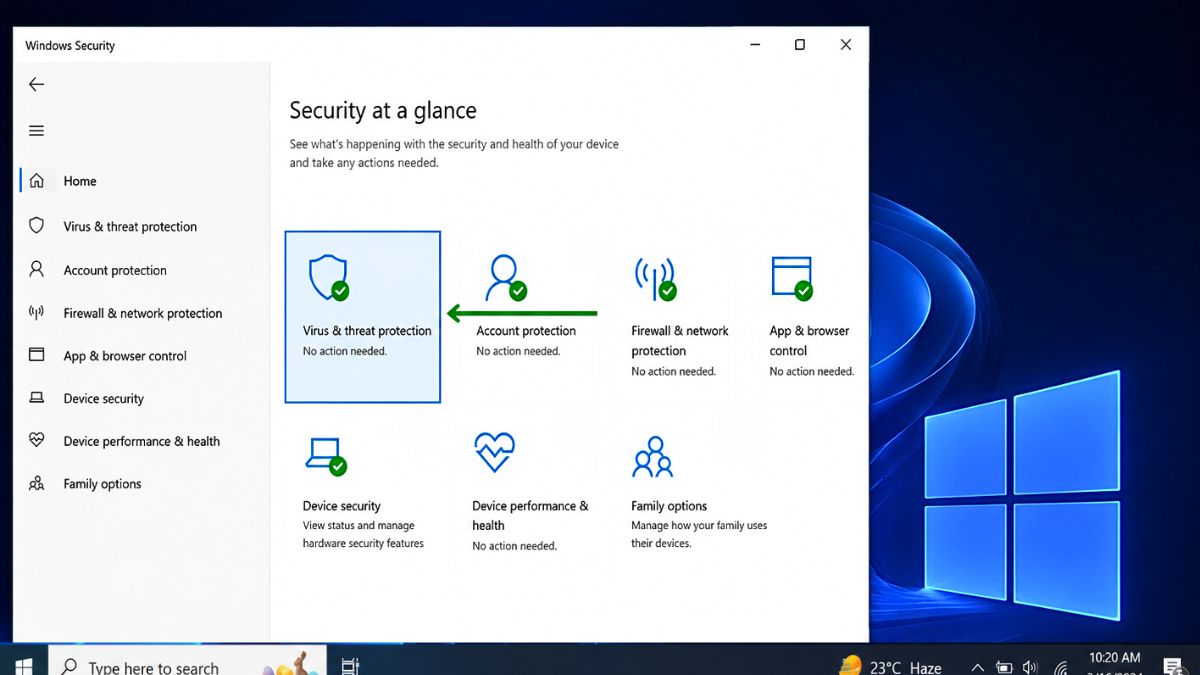
Local Loopback Interception on Port 1688
When an individual searches for how to download kmspico activator and executes the resulting utility, they are deploying a reverse-engineered software tool designed to replicate this entire enterprise client-server infrastructure locally inside a single standalone computer. Developed originally by a research collective known as Team Daz, KMSPico operates by exploiting the local loopback network interface of the Windows operating system.
When KMSPico is installed and executed across a computer, it performs four low-level system manipulations. First, the utility installs a virtual background service that binds directly to the operating system's local loopback network adapter—specifically IP address 127.0.0.1 or 127.0.0.2—and listens on TCP port 1688. By creating this virtual server on the loopback interface, the tool operates as a miniature, self-contained Key Management Service host running entirely inside the local machine.
Second, if the computer is currently running a retail or original equipment manufacturer product key channel, the utility invokes Windows Management Instrumentation scripts and the Software Licensing Management Tool to strip out the existing product key. In its place, the tool injects Microsoft's publicly available generic volume license client setup key, forcing the operating system to expect volume licensing verification.
Third, the utility modifies local system registration keys and licensing redirection rules within the Software Protection Platform service. When the Software Protection Platform initiates an activation check, the modified routing rules prevent the service from querying external Domain Name System servers or public endpoints. Instead, the activation query is redirected internally to the local loopback adapter listening on port 1688. The emulated server immediately responds with a spoofed cryptographic token, convincing the operating system that it has successfully communicated with an authorized corporate volume licensing server.
Fourth, because Key Management Service volume activations carry a strict 180-day expiration window, KMSPico establishes persistent renewal mechanisms within the Windows Task Scheduler. During installation, the utility registers a scheduled background task configured to run with elevated system privileges during every startup sequence or on a fixed daily schedule. When this background task triggers, it launches the loopback service for several seconds, forces the Software Protection Platform to execute a renewal handshake against TCP port 1688, successfully resets the 180-day countdown clock back to maximum capacity, and terminates the service. Through this automated daily re-arming routine, the operating system maintains a permanent illusion of authorized volume licensing without communicating with external corporate networks or Microsoft cloud servers.
Deceptive Economics of Underground Distribution and Repository Portals
One of the most pervasive misconceptions in the software management ecosystem revolves around the source of activation utilities. A massive percentage of users actively query search engines for kmspico download official site, hoping to bypass malware by downloading directly from the original developer. Similarly, trust-seeking users frequently search for kmspico download filehippo, assuming that reputable mainstream software repositories host clean versions of the tool. Both assumptions are factually incorrect and lead directly to severe security compromises.
The Historical Reality of Team Daz and Forum Distribution
To understand why there is no kmspico download official site, one must examine the origins of the project. KMSPico was created and maintained by a software reverse-engineering collective known as Team Daz. Team Daz never owned, operated, or registered a public-facing domain name, commercial website, or dedicated download portal.
Historically, Team Daz released their utilities exclusively through closed, heavily moderated underground software research communities—primarily the MyDigitalLife forums. Within that community, access to research threads required registered member accounts, strict moderation, and peer-reviewed cryptographic hash verification to ensure files were not tampered with.
Around 2016 to 2017, Team Daz ceased public development and retired from maintaining the utility. Following their retirement, the original forum threads were archived or locked to prevent further proliferation, and no official updates have been released by the original developers since that era. Therefore, any claim that an active official website exists today is historically and factually false.
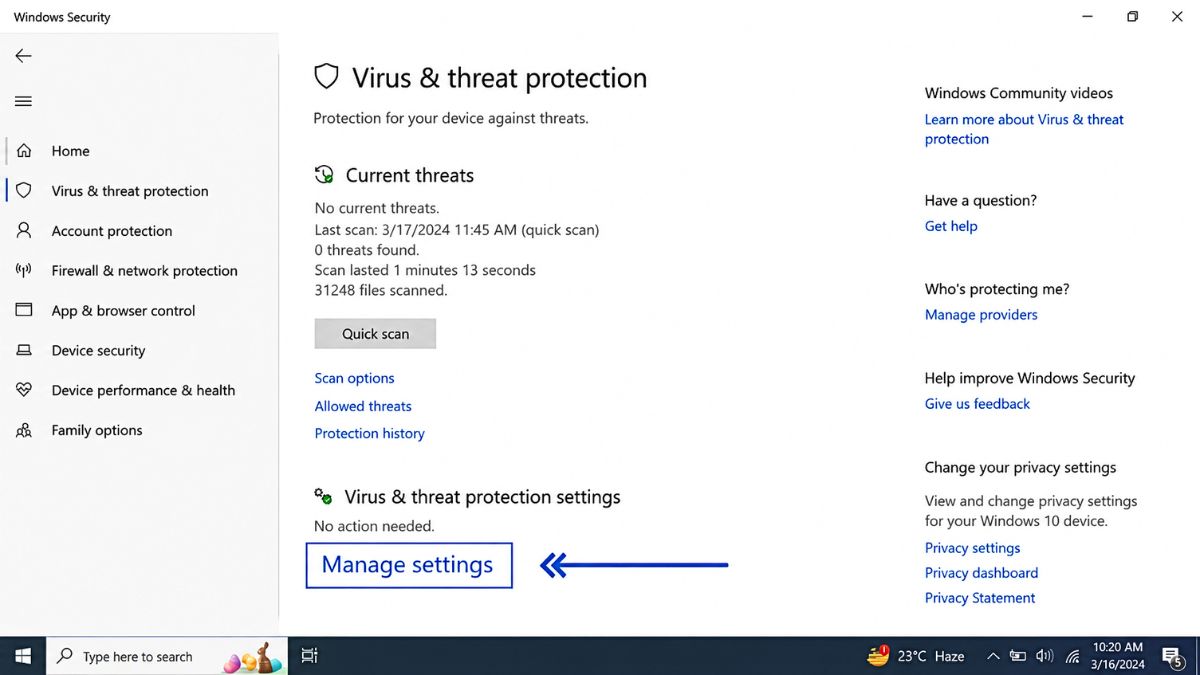
The Proliferation of Fraudulent Official Sites
Because millions of users search for kmspico download official site every year, bad actors and unauthorized distributors saw an immediate financial opportunity. Over the past decade, unauthorized third parties have registered thousands of domain names optimized to rank at the top of search engine results pages for KMSPico-related keywords.
When a user visits these fake official websites, they encounter professionally designed landing pages complete with artificial user reviews, formatted frequently asked questions explaining why antivirus alarms should be ignored, multiple download mirrors, and spoofed cryptographic checksums.
A critical rule of cybersecurity states that every single domain on the public internet claiming to be the kmspico download official site is an unauthorized third-party imposter. There are zero exceptions. Downloading from these domains guarantees exposure to untrusted third-party modifications and bundled adware or malware droppers.
Why Mainstream Portals Do Not Host KMSPico
Users attempting to avoid sketchy independent domains often search for kmspico download filehippo or similar portal queries. This strategy is based on the premise that large, established software repositories enforce strict vetting and legal verification before hosting downloadable applications.
However, mainstream software repositories operate as legitimate commercial enterprises. As legal entities subject to international copyright laws and software licensing enforcement, they strictly avoid hosting DRM-circumvention tools. Hosting tools specifically designed to bypass digital rights management and circumvent software licensing verification violates international copyright statutes and intellectual property laws.
Furthermore, Microsoft actively monitors legitimate distribution platforms and issues immediate takedown notices against platforms distributing Key Management Service emulation bypass tools. Because activation tools modify core operating system licensing APIs and exhibit behaviors identical to rootkits or system hijackers, mainstream portals' automated security scanners reject them outright during submission vetting.
Consequently, if a search query for kmspico download filehippo returns a result that appears to lead to a FileHippo landing page, one of two scenarios is occurring. Either the search result is a cloaked domain that mimics FileHippo's URL structure and visual layout while being hosted on rogue infrastructure, or the link directs to a generic portal page where the download button redirects the user through multiple advertising networks to serve adware bundles.
Architectural Interception and Security Barriers Across Windows 10 and Windows 11
The largest volume of search traffic across the activation ecosystem centers around queries like windows 10 activator download kmspico, download kmspico for windows 10, kmspico download windows 10, and kmspico windows 10 download. Understanding why these tools are heavily targeted requires examining how they interact with Windows 10 architecture and conducting a comprehensive evaluation of kmspico win 10 download risks.
System Architectural Modifications in Windows 10
When executed on a Windows 10 installation, KMSPico targets the Software Protection Platform service, which serves as the central engine responsible for verifying digital signatures, managing system licensing flags, and displaying desktop notifications when an operating system remains unactivated.
To successfully establish an emulated local activation, the tool performs extensive system-level modifications. It alters sensitive system registry keys tied to the Software Protection Platform to redirect licensing validation checks. It injects custom local firewall rules to permit loopback network communication on TCP port 1688 without generating firewall block events. It utilizes the Windows Software Licensing Management script utilities to strip existing retail product keys and inject generic volume license keys across the system. Finally, it installs permanent background binaries within core system directories and registers scheduled tasks configured to run with elevated system privileges during every startup sequence.
Because these operations alter critical system files and require continuous kernel and registry access, the installation creates permanent modifications that fundamentally alter baseline operating system stability and security reporting.
Modern Windows 11 Compatibility and Enhanced Security Barriers
As operating systems evolve, the underlying licensing mechanisms and defensive layers change drastically. Users seeking kmspico download windows 11 encounter formidable structural hurdles and enhanced architectural barriers that did not exist in earlier iterations of Windows 10.
Windows 11 introduces SmartApp Control, an advanced cloud-powered security feature designed to block untrusted, unsigned, or poorly reputable applications from executing across the operating system. When a user attempts to run an activation utility on Windows 11, SmartApp Control evaluates the file's digital signing certificate and global cloud reputation before initiating execution.
Because KMSPico executables lack valid, trusted Authenticode code-signing certificates from verified software publishers, SmartApp Control blocks the binary pre-execution instantly. Even if a user configures standard folder exclusions within basic antivirus settings, SmartApp Control operates at a deeper system layer, preventing unsigned emulation scripts from executing.
A major structural advancement in Windows 11 is the mandatory activation of Core Isolation and Memory Integrity, technically known as Hypervisor-Protected Code Integrity. This security framework utilizes hardware-level virtualization to isolate core Windows kernel processes from the remaining operating system inside protected memory containers.
When an unauthorized activation tool attempts to inject dynamic link libraries or hook into the memory spaces of the Software Protection Platform service to manipulate licensing flags, Hypervisor-Protected Code Integrity identifies the memory space violation immediately. Rather than allowing the code injection to proceed, the hardware virtualization layer terminates the attempted injection thread or generates a kernel security exception, frequently causing an immediate system crash or preventing activation emulation entirely.
Furthermore, Windows 11 requires Trusted Platform Module 2.0 integration during installation, allowing the operating system to securely store cryptographic measurements of the boot chain and core system integrity. When unauthorized tools alter local licensing policies, Software Protection Platform tokens, or system registry endpoints, these modifications trigger integrity mismatches during boot verification and system health attestation checks.
Comprehensive Threat Intelligence Report on Activation Droppers
Because the original developers permanently retired years ago without establishing an official domain, virtually 100 percent of publicly accessible download sites ranking on search engines today are operated by unauthorized third-party monetization syndicates. These networks utilize sophisticated search engine manipulation and evasion tactics to deploy malware droppers onto user computers.
Search Engine Optimization Poisoning and Password Evasion
To capture high-volume search traffic, cybercriminal syndicates register hundreds of domain names that include variations of activation keywords, building authoritative-looking landing pages designed to rank at the top of search engine results pages. Regardless of which download mirror is selected on these pages, the delivered file originates from third-party advertising networks whose primary objective is bundling adware, information stealers, and background cryptominers onto high-intent user systems.
A defining technical characteristic of modern activation distribution is the delivery of the executable installer wrapped inside a password-protected compressed archive file. The download page explicitly informs the user that the password required to open the archive is a simple four-digit sequence, such as 2023 or 1234, or a simple word like windows or kmspico.
While casual users assume this password requirement is a security measure intended to protect the file from corruption or unauthorized access during transit, password protection serves a precise cybersecurity evasion purpose: blinding automated network gateways and email antivirus filtering scanners. Because automated scanners cannot decompress password-locked archives during transit, the encrypted payload passes cleanly across the security perimeter onto the local disk without triggering network alarms. Once the user manually enters the four-digit password and extracts the contents while following the website's instructions to disable Windows Defender, the internal payload detonates right onto the filesystem with zero automated pre-scanning resistance.
Exhaustive Categorization of Windows 10 Download Risks
Evaluating kmspico win 10 download risks reveals that modern third-party distribution channels utilize activation bypass tools primarily as Trojan wrappers to deploy sophisticated malware payloads across user systems.
The most severe and widespread hazard involves Information Stealers, such as RedLine Stealer, Vidar, and Raccoon Stealer. When the user executes a trojanized setup file with real-time protection disabled, the installer silently drops an information stealer directly into memory while simultaneously activating Windows 10 to maintain the illusion of success. Once active, the stealer scans local database files inside browser profile folders to extract saved plain-text web passwords, autofill credit card profiles, and active session cookies. It also searches desktop folders for cryptocurrency wallet recovery phrases and messaging platform authentication tokens before compressing the harvested data and exfiltrating it over encrypted channels to remote command-and-control servers operated by cybercriminals within seconds.
The second major category encompasses Ransomware Droppers, particularly variants belonging to the Djvu, STOP, and Phobos ransomware families. Upon execution, these payloads traverse all local hard drives, attached network storage shares, and cloud synchronization folders to encrypt personal documents, financial spreadsheets, project databases, and family photographs using robust cryptographic algorithms. Once encryption is complete, the malware appends unique extensions to affected files and drops ransom notes demanding immediate cryptocurrency payments in exchange for decryption software, resulting in permanent data loss for users without isolated backups.
The third category involves Silent Cryptominers, specifically engines engineered to mine privacy-focused cryptocurrencies like Monero. Unlike ransomware, which immediately announces its presence, silent cryptominers operate stealthily in the background. They install persistent system services that hijack the computer's central processing unit and graphics processing unit, running processing cores at near maximum capacity during idle user states. This continuous hardware hijacking causes extreme system lag, severe thermal throttling, excessive electricity consumption, and accelerated degradation of internal hardware components.
The fourth category encompasses Rootkits and Botnet Enrollers. These malicious payloads hook deep operating system application programming interfaces and modify boot system variables to maintain hidden persistence across restarts. Once entrenched, they enroll the compromised Windows 10 machine into global botnet networks, allowing remote controllers to utilize the computer's internet bandwidth to launch distributed denial-of-service attacks against commercial targets or proxy illicit web traffic without the owner's knowledge.
The fifth risk category involves Operating System Corruption and Update Breakdown. Even when a downloaded utility does not contain active data-stealing payloads, poorly modified emulation binaries destabilize core Windows 10 architecture. They frequently corrupt the local Component Store, break the Windows Update service endpoints, and cause conflicts within the Software Protection Platform. This degradation results in recurring system crashes, blue screen errors, and an inability to install critical zero-day security patches from Microsoft, leaving the computer permanently vulnerable to external network exploits.
Legacy Systems and Cloud-First Environments: Windows 7 and Office 365
While modern operating systems dominate current market share, substantial search traffic still focuses on legacy environments and cloud-integrated applications, exemplified by searches for download windows 7 activator kmspico and download kmspico office 365. Understanding these phenomenon requires examining the structural differences between legacy validation and modern cloud subscription frameworks.
Windows 7 Activation Mechanics and EOL Kernel Hazards
When Windows 7 was released, its primary enterprise licensing mechanism differed significantly from the cloud-integrated platforms of today. Windows 7 utilized two distinct volume activation frameworks: Key Management Service activation for corporate networks and Software Licensing Description Table activation for original equipment manufacturer hardware builders.
In OEM SLIC activation, computer manufacturers embedded a cryptographic digital signature directly inside the motherboard's basic input-output system code during assembly. When Windows 7 booted, the operating system verified this hardware signature against an installed OEM certificate and a master system builder product key. If all three components matched mathematically, the system activated instantly without requiring any external network communication or recurring 180-day renewals.
Because KMSPico was originally developed to emulate Key Management Service volume protocols across both client and server environments, users searching for download windows 7 activator kmspico attempt to force local loopback KMS emulation onto an operating system designed around older validation structures. On Windows 7, this requires the tool to install specialized kernel drivers or modify legacy system bootloaders to redirect Software Protection Platform requests toward the local loopback adapter.
Utilizing KMSPico on a Windows 7 environment introduces a uniquely catastrophic security profile due to the intersection of two critical factors: the end-of-life status of the operating system and the administrative privileges granted to the activation utility. Microsoft officially terminated mainstream support and extended security updates for Windows 7 years ago. Consequently, when new unpatched kernel vulnerabilities, remote code execution flaws, or privilege escalation exploits are discovered by cybercriminals today, Microsoft no longer issues software patches to secure Windows 7 installations.
When a user running this unsupported operating system downloads an activation utility from a modern third-party mirror and disables their local antivirus software to execute it, they grant root-level system access to unverified code on a platform equipped with zero modern defensive mitigations. Unlike Windows 10 and Windows 11, which feature hardware-level virtualization isolation and cloud-powered behavioral monitoring, Windows 7 lacks modern architectural barriers. If a trojanized setup file deploys an information stealer or rootkit onto a Windows 7 machine, the malware achieves complete kernel dominance instantly, remaining permanently undetectable and unremovable through standard software remediation tools.
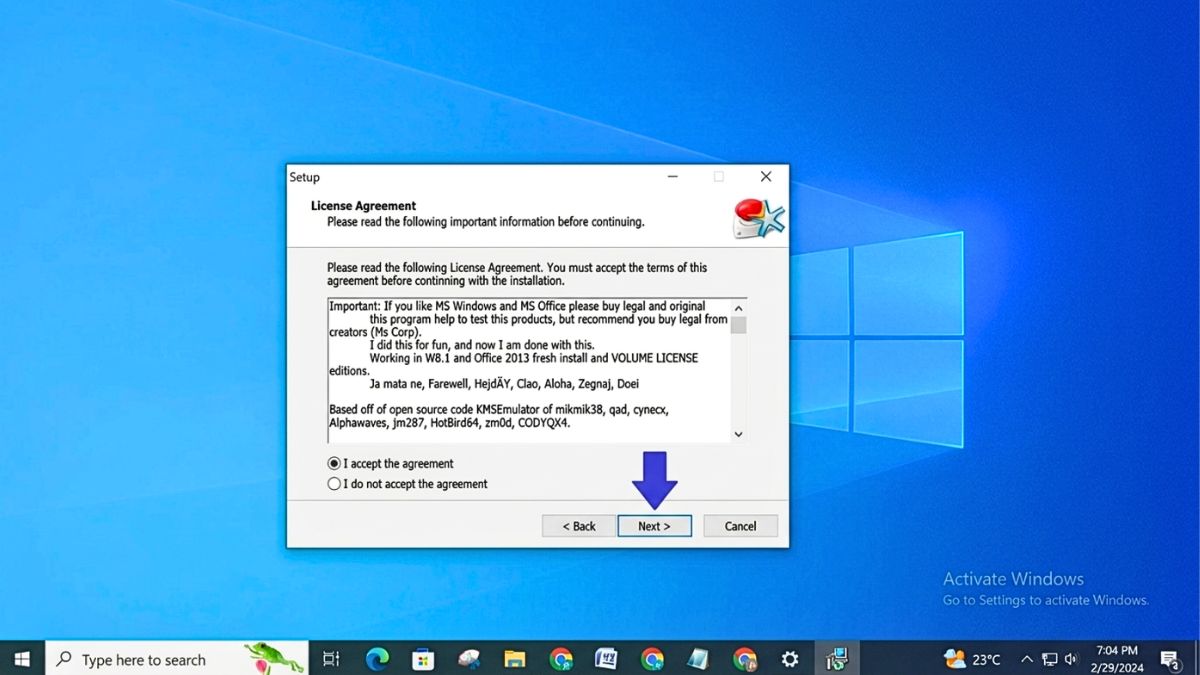
Architectural Collision: Local Loopbacks versus Cloud Subscriptions
To understand why KMSPico cannot natively activate Office 365 in the same manner as traditional desktop software, one must examine the fundamental divide between traditional volume licensing and cloud subscription licensing.
Traditional desktop productivity suites, such as Office 2016, Office 2019, and Office 2021 Volume License editions, were engineered to support disconnected corporate networks. These editions utilize the Key Management Service protocol, checking locally installed volume keys against a corporate KMS host every 180 days. Because this verification process relies entirely on local network communication on port 1688 without requiring internet access or user login credentials, KMSPico successfully emulates the host server and maintains activation on these specific volume editions.
In stark contrast, Microsoft Office 365 is built from the ground up as a cloud-native subscription service. Office 365 does not rely on local Key Management Service host verification or static 180-day volume licensing timers. Instead, Office 365 requires the user to sign in directly inside the application using a verified Microsoft Account or Azure Active Directory identity.
When an Office 365 application launches, it communicates over encrypted HTTPS protocols directly with external Microsoft cloud authentication servers. The cloud servers verify whether the signed-in user account possesses an active, paid monthly or annual subscription in the central user database. If the subscription is valid, the server issues a temporary cryptographic entitlement token directly to the application. Because this validation occurs across external cloud endpoints tied directly to user identity profiles rather than local network port queries, a local loopback Key Management Service emulator running on TCP port 1688 is fundamentally incapable of intercepting or satisfying Office 365's cloud subscription checks.
The Conversion Script Vulnerability and Credential Hijacking
Because native Key Management Service emulation cannot activate Office 365 subscriptions, third-party distribution portals that optimize for the query download kmspico office 365 bundle their activation utilities with complex automated license conversion scripts.
When a user runs one of these Office 365 activator packages, the internal script performs a forced structural downgrade of the installed office suite. The script strips out the modern Office 365 Click-to-Run subscription licensing files and injects older Volume Licensing conversion files—frequently referred to as Mondo Volume Licensing certificates—into the application directory. Once the cloud subscription files are forcibly overwritten and replaced with legacy volume licensing keys, the script points the degraded installation toward the local KMSPico loopback adapter on port 1688 to simulate a volume activation.
This conversion process introduces severe operational and security hazards. First, by stripping out native cloud subscription licensing, the applications lose connection to essential cloud services. Users experience immediate breakdowns in real-time document autosaving to OneDrive, loss of collaboration features across Teams and SharePoint, and inability to access cloud-driven artificial intelligence writing assistants. Furthermore, forced license conversions corrupt internal application update channels, causing persistent crashes when the suite attempts to apply routine stability patches.
Second, and far more critical from a cybersecurity perspective, the setup installers marketed as Office 365 activators are among the primary vectors for deploying specialized credential-harvesting trojans. Because Office 365 revolves around user identity authentication, cybercriminals bundle these conversion installers with memory-scraping malware specifically designed to target corporate and personal Microsoft accounts, session tokens, and cloud storage credentials. When executed, the malware captures saved login profiles and OAuth authentication tokens, allowing attackers to access the user's complete email history, cloud storage drives, and organizational networks without triggering standard password alert notifications.
Enterprise Compliance, Legal Liability, and Cyber Insurance Voidance
Beyond immediate technical errors and cybersecurity infections, acquiring and executing tools derived from queries like kmspico download free or windows 10 activator download kmspico carries substantial legal, contractual, and organizational consequences across all computing environments.
Software License Agreements and Intellectual Property Law
Whenever an individual or enterprise installs Windows 10, Windows 7, or Microsoft Office, they enter into a legally binding contract governed by the Microsoft Software License Terms. Standard operating system license agreements explicitly state that users are authorized to operate the software only if properly licensed and activated using genuine product keys or authorized corporate licensing methods. The terms specifically prohibit bypassing, modifying, or circumventing any technical protection measures embedded within the software architecture.
Utilizing an unauthorized Key Management Service emulator directly breaches these contractual terms. Furthermore, under international intellectual property statutes—including digital rights legislation across North America and equivalent copyright enforcement directives across the European Union—the creation, distribution, or intentional utilization of software tools engineered to circumvent technological access controls protecting copyrighted code constitutes an enforceable violation of civil law.
Enterprise Risk and Insurance Exposure
While individual home users rarely face direct legal prosecution from software vendors for utilizing activation bypass tools on personal computers, the risk profile escalates drastically when these utilities enter corporate, academic, government, or small business network environments.
If an employee, student, or IT contractor introduces an activation utility downloaded from a third-party mirror onto a workplace workstation to activate Windows or Office, the organization faces immense liability across multiple fronts. Major software vendors and industry compliance alliances conduct rigorous corporate software licensing audits. If diagnostic scanning tools uncover unauthorized Key Management Service emulators, spoofed loopback server redirection entries, or non-compliant generic volume keys deployed across corporate hardware, the organization is subjected to severe financial penalties, mandatory back-billing at full retail price for every unverified software installation, and potential copyright litigation.
In addition to compliance audits, unauthorized activation utilities severely threaten organizational cybersecurity posture and commercial insurance coverage. Modern enterprise cyber-liability insurance policies contain strict operational clauses requiring policyholders to maintain baseline security controls, including deploying properly licensed software, keeping endpoint detection and response monitoring active, and maintaining supported operating system updates.
If an organization suffers a data breach, ransomware infection, or financial extortion campaign, and forensic investigators trace the initial network breach back to an employee downloading an unauthorized activation tool while disabling real-time antivirus defenses, the insurance provider will typically void policy coverage entirely. By classifying the voluntary disabling of security monitoring to install pirated software as gross negligence and policy non-compliance, the insurance underwriter leaves the organization to bear the full financial devastation of the data breach independently.
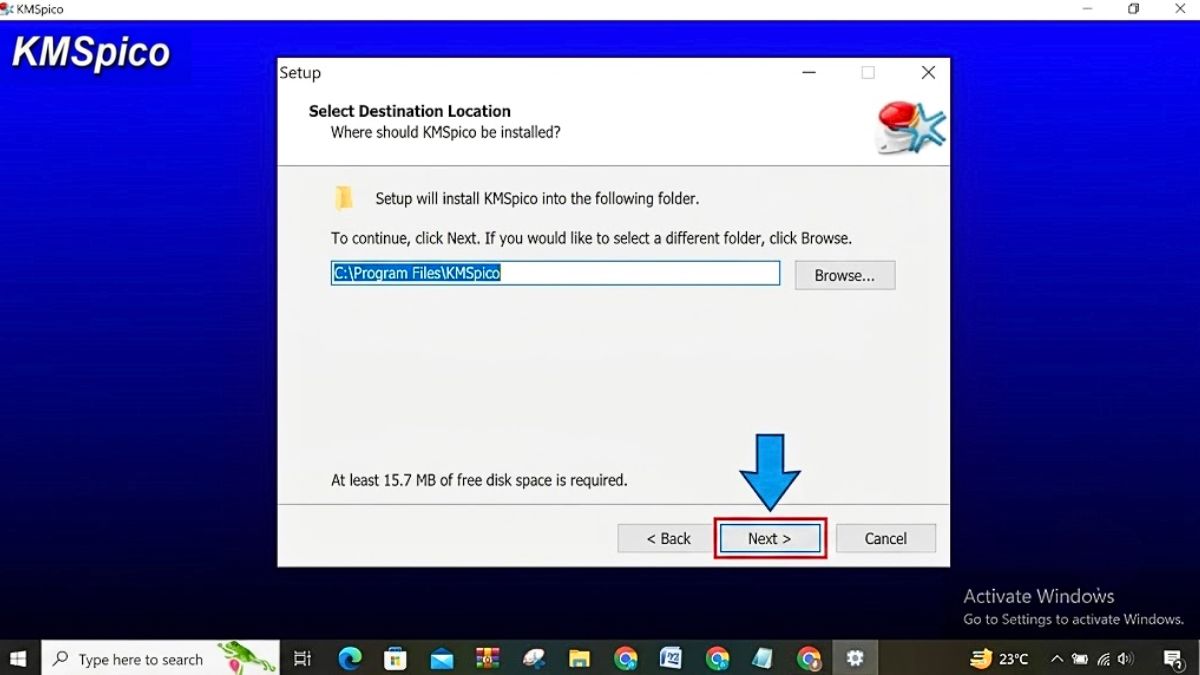
Actionable Endpoint Remediation and System Restoration Protocols
If you or an individual within your organization has previously executed an installer derived from queries such as how to download kmspico activator, download kmspico windows 10, or download kmspico office 365 while disabling system security protections, immediate technical remediation is essential to stop ongoing data exfiltration and restore system integrity.
Step 1: Immediate Network Isolation
As soon as an unauthorized execution is suspected or identified, immediately disconnect the affected computer from the local area network and wireless internet connections. Unplug physical Ethernet cables and disable Wi-Fi adapters in system network settings. If an information stealer, rootkit, or ransomware dropper is actively running inside system memory, severing all network communication halts the immediate transmission of harvested passwords to remote command-and-control servers and prevents malware from spreading laterally to network-attached storage shared across the local workspace.
Step 2: Emergency Credential Rotation from an Isolated Clean Device
Do not attempt to change passwords or log into sensitive accounts directly from the potentially infected workstation, as active keystroke loggers or memory scrapers will capture the newly updated credentials immediately. Using an entirely separate, verified clean device—such as a smartphone operating over cellular data or a dedicated clean administrative computer—perform emergency password rotations across all critical digital identities.
Immediately reset passwords for primary personal and corporate email accounts, financial banking portals, cryptocurrency exchange profiles, and developer repositories. Navigate to account security settings across all major web platforms and force the termination of all active web sessions to invalidate stolen session cookies. Finally, enable strong multi-factor authentication using hardware security tokens or authenticator applications across all essential accounts.
Step 3: Deep Offline Forensic Security Scans
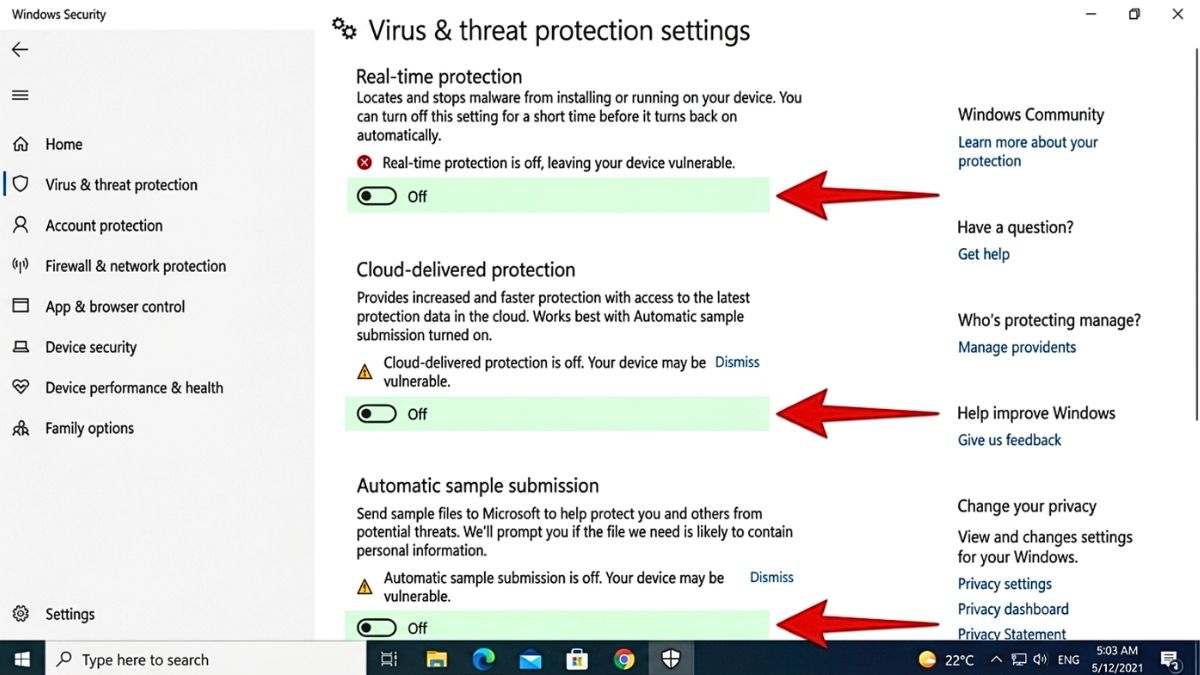
Because kernel-level rootkits and sophisticated information stealers can hide from real-time monitoring within a live Windows session by intercepting system application programming interface calls, deep offline scanning is mandatory. First, navigate to system security settings and manually re-enable all protection layers, ensuring real-time protection, cloud-delivered protection, and tamper protection are active.
Next, open security scanning options and initiate a Microsoft Defender Offline Scan. The computer will automatically reboot into a specialized, isolated pre-boot operating environment outside the live Windows session, allowing the scanning engine to analyze core kernel files, hidden startup drivers, and persistent rootkit hooks without interference. Once the system finishes the offline scan and boots back into the desktop, perform secondary verification scans using reputable standalone forensic cleanup utilities from recognized cybersecurity vendors to verify complete malware removal.
Step 4: System Routing and Binary Integrity Restoration
Malicious setup installers frequently modify local network routing tables and core operating system files to block the computer from reaching legitimate antivirus vendor domains and Microsoft validation servers. To verify network routing integrity, open Notepad with administrator privileges and open the hosts configuration file located within the system drivers directory. Inspect the document carefully for any unauthorized lines redirecting domains belonging to Microsoft, security vendors, or validation portals to local loopback addresses. Delete any suspicious redirection entries and save the file cleanly.
Following hosts file cleanup, launch an elevated command prompt with administrator privileges and run deployment image servicing management cleanup commands, followed immediately by system file check scans. These built-in system repair tools compare local operating system files against official cryptographic component stores, automatically repairing tampered Software Protection Platform binaries and corrupted system libraries.
Step 5: Reverting KMS Licensing Keys and Task Scheduler Cleanup
To strip out unauthorized local Key Management Service redirection and restore the Software Protection Platform to clean defaults, open the Windows Task Scheduler. Navigate directly to the Software Protection Platform task library folder and inspect the scheduled entries for unauthorized background renewal tasks named AutoKMS, KMSAuto, or similar emulator names, deleting them immediately upon identification.
Next, return to the elevated command prompt with administrator privileges and execute system licensing commands sequentially. First, run the command to uninstall the currently installed product key, removing the unauthorized generic volume key. Second, clear the product key entries from the system registry. Third, clear the configured Key Management Service host name and port redirection settings from system memory. Fourth, execute the system rearm command to reset the licensing status and restore activation timers to factory defaults. Finally, initiate a clean system reboot to finalize the reset.
Step 6: Ultimate Remediation via Complete Operating System Wipe
If offline security scans uncover advanced trojan droppers, if unexpected system crashes and blue screen loops continue occurring after cleanup, or if the compromised device is utilized for accessing sensitive corporate networks or financial data, the only guaranteed security remediation is a complete operating system wipe and reinstallation.
Back up essential personal non-executable files, such as text documents, spreadsheets, and family photographs, to an external storage drive, verifying that no executable programs, scripts, or compressed archives are transferred. Create a clean Windows installation flash drive using official Microsoft media creation utilities on a guaranteed clean computer. Boot the affected machine directly from the installation flash drive, delete all existing disk partitions during setup until only unallocated disk space remains, and perform a completely fresh, uncompromised installation of Windows.
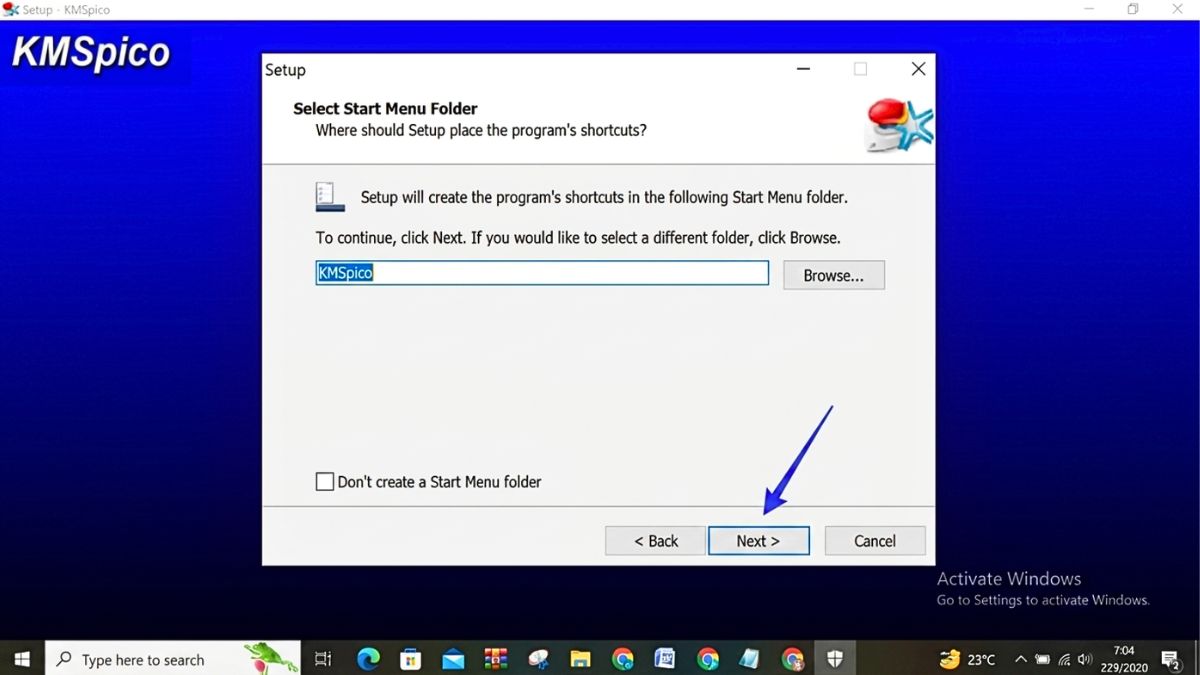
Sustainable, Zero-Cost Legitimate Licensing Alternatives
Navigating away from high-risk queries like kmspico win 10 download risks, download kmspico office 365, or kmspico download free does not mean users must accept exorbitant software costs without options. There are multiple highly secure, fully legitimate, and sustainable pathways to operate genuine, fully functional Windows and Office environments.
Microsoft Retail and Original Equipment Manufacturer Channels
The most reliable long-term solution for operating genuine software on personal computers is acquiring official Microsoft licenses through authorized commercial channels. Retail licenses purchased directly from Microsoft or verified retail partners tie directly to your personal account identity. This allows you to transfer the license seamlessly across different computers when upgrading hardware or building a new desktop system over the years.
Original Equipment Manufacturer system builder licenses are intended for hardware assembly and are available at significantly lower price points than retail licenses. While an OEM license permanently locks to the motherboard of the computer on which it is first installed and cannot be transferred to a separate device, it provides genuine, lifetime operating system activation with full access to all Windows Update channels and zero security compromises.
Academic and Educational Grants
If you are a university student, high school student, classroom educator, or academic researcher, you frequently have access to free or deeply discounted genuine software through formal institutional partnerships. Through programs such as Microsoft Azure for Education, accredited universities and colleges worldwide provide enrolled students with free, genuine, lifetime-valid product keys for education editions of Windows 10 and Windows 11, alongside comprehensive professional developer tools and database servers.
Furthermore, educational institutions routinely provide students and faculty with free, fully functional Microsoft 365 Education accounts. These accounts grant full access to desktop and cloud editions of Word, Excel, PowerPoint, and OneNote, backed by generous cloud storage capacity across OneDrive, for the entire duration of the student's enrollment, eliminating any practical need for unauthorized activation utilities.
The Windows Insider Program
For technology enthusiasts, software developers, and users comfortable working within evolving operating system environments, the Microsoft Windows Insider Program provides an official, zero-cost pathway to run fully functional builds of Windows 10 and Windows 11 without requiring a traditional retail product key.
By navigating to system update settings on an unactivated PC and opting into official preview channels using a free personal account, users receive continuous feature updates and platform enhancements directly from Microsoft engineering branches. This program provides a legal, secure, and continuously updated operating system completely free of charge, supported entirely by official Microsoft infrastructure.
Operating Windows in an Unactivated State
A highly practical reality of modern Windows architecture is that Microsoft does not lock out, disable, or expire unactivated installations of Windows 10 or Windows 11. If you download official installation files directly from Microsoft's website, install the operating system, and select the setup option indicating you do not possess a product key, the operating system installs and functions indefinitely without expiration.
The technical differences between an activated and unactivated Windows installation are strictly minimal and do not impact core productivity. Core operating system functionality remains 100 percent available, allowing all web browsers, professional design applications, software development tools, and PC games to run normally without artificial limitations. Security and quality updates remain fully accessible through Windows Update, ensuring that critical zero-day security patches, system stability improvements, and Defender antivirus definitions install smoothly. System performance and hardware acceleration operate at full capacity without forced reboots or processing throttling.
The only restrictions applied to unactivated installations involve cosmetic personalization and visual desktop notifications. Users cannot modify desktop wallpaper, accent colors, or taskbar themes via the main system settings application, although custom wallpapers can still be applied by right-clicking an image file directly. Additionally, a persistent watermark reminding the user to activate Windows appears in the bottom-right corner of the screen. Given that unactivated Windows provides complete core performance, full hardware acceleration, and seamless security updates, choosing to run unactivated Windows is exponentially safer and more sensible than exposing a computer to the critical cybersecurity hazards of a kmspico download free mirror.
Open-Source Operating Systems and Productivity Suites
For users whose everyday computational needs revolve around web browsing, document creation, data analysis, media consumption, and general productivity, modern open-source ecosystems offer powerful, zero-cost, and highly secure alternatives that completely eliminate software licensing concerns.
Modern Linux desktop distributions—including mainstream options such as Ubuntu, Linux Mint, Fedora, and Zorin OS—provide intuitive, visually polished desktop interfaces out-of-the-box. They require zero product keys, enforce no licensing restrictions, feature centralized software package managers for instant application deployment, and remain fundamentally immune to Windows-based trojans and activation droppers.
For productivity and document management, users can replace Microsoft Office entirely by deploying robust open-source productivity suites like LibreOffice or utilizing powerful cloud-native platforms like Google Workspace. These modern solutions provide comprehensive compatibility with standard document, spreadsheet, and presentation formats, ensuring seamless collaboration with colleagues while maintaining absolute system security and zero financial expenditure.
Exhaustive Frequently Asked Questions
Q1: What exact technical mechanisms distinguish a kmspico download from a legitimate enterprise Key Management Service deployment?
A legitimate Key Management Service deployment operates on an internal corporate server activated once directly with Microsoft, allowing connected corporate workstations to verify volume licenses over the local network on TCP port 1688. A kmspico download attempts to install a virtual loopback service listening on IP address 127.0.0.2 inside a standalone computer to trick the Software Protection Platform into validating locally without corporate authorization.
Q2: Why does searching for kmspico free download or how to download kmspico activator consistently yield password-protected archive files?
Search engines rank third-party distribution mirrors that wrap executables inside password-protected archives—instructing users to enter passwords such as 2023 or 1234—specifically to blind automated gateway firewalls and email antivirus filters. Because automated scanners cannot decompress encrypted archives during transit, the internal payload passes safely onto the user's hard drive without triggering pre-scanning alarms.
Q3: Can users locate a clean, unadulterated version of KMSPico by searching for kmspico download filehippo or similar repositories?
No. Mainstream commercial software repositories such as FileHippo strictly enforce intellectual property laws and refuse to host DRM-circumvention tools. Any search result appearing to link to FileHippo when searching for kmspico download filehippo is either a cloaked phishing domain mimicking the portal's visual layout or an aggregator redirecting users to adware pay-per-install monetization networks.
Q4: Why do queries like kmspico download windows 10, download kmspico for windows 10, and windows 10 activator download kmspico carry severe cybersecurity risks?
These queries carry high risk profiles because cybercriminals target the massive global user base of Windows 10. When users execute setup files derived from these queries while disabling real-time antivirus defenses, they frequently trigger multi-stage droppers that install information stealers, ransomware droppers, or silent cryptominers alongside the activation script, fulfilling the exact hazards documented under kmspico win 10 download risks.
Q5: How do modern system protections in Windows 11 impact compatibility queries like kmspico download windows 11?
Modern Windows 11 architecture severely restricts KMSPico execution through SmartApp Control, Hypervisor-Protected Code Integrity, and mandatory Trusted Platform Module attestation. Because activation binaries lack valid Authenticode digital signing certificates and attempt to manipulate core Software Protection Platform memory spaces, Windows 11 blocks execution pre-emptively or generates kernel exceptions that prevent loopback emulation.
Q6: Can users safely search for and execute download windows 7 activator kmspico on legacy desktop hardware?
No. Executing activation utilities on Windows 7 introduces compounded security risks because Windows 7 reached end-of-life status years ago and no longer receives security updates from Microsoft. Running an activator with administrative privileges and disabled antivirus defenses on an unpatched operating system leaves the machine completely vulnerable to permanent rootkit and trojan persistence.
Q7: Why do users searching for download kmspico office 365 encounter license conversion errors and credential theft?
KMSPico cannot natively activate Office 365 because Office 365 is a cloud-native subscription service that verifies status over encrypted internet connections to Microsoft account servers, rather than local network port queries. To bypass this, third-party Office 365 activators run conversion scripts that downgrade the suite to legacy volume licensing while dropping memory-scraping malware designed to steal user login credentials and session tokens.
Q8: What is the safest and most reliable alternative for users seeking a kmspico windows 10 download without paying retail prices?
The absolute safest and most practical alternative is operating Windows 10 or Windows 11 indefinitely in an unactivated state. Unactivated Windows remains 100 percent functional, provides full application compatibility, and receives continuous zero-day security updates from Microsoft, with only minor cosmetic limitations such as desktop watermark overlays and restricted theme customization.
Conclusion and Foundational Security Summary
The persistent global search volume surrounding kmspico download, kmspico win 10 download risks, how to download kmspico activator, download kmspico office 365, and broader compatibility queries demonstrates an ongoing friction point between commercial software licensing structures and universal digital accessibility. However, a comprehensive technical and cybersecurity analysis confirms that the perceived utility of Key Management Service loopback emulation is vastly outweighed by the severe security hazards dominating modern distribution channels.
In an era where original developers have retired, the ecosystem of free activation downloads and purported official websites has been entirely co-opted by unauthorized distributors deploying information stealers, ransomware droppers, and silent cryptominers. By understanding the architectural mechanics of genuine volume licensing, recognizing the password-protected archive traps surrounding modern download attempts, understanding behavioral antivirus detection capabilities, and leveraging legitimate licensing alternatives—ranging from academic software grants and unactivated Windows installations to open-source operating systems—users and IT administrators can achieve maximum computational productivity while preserving absolute system integrity and peace of mind.
To maintain robust cybersecurity hygiene, always remember these core foundational rules: never disable real-time antivirus defenses at the request of a software setup procedure, treat password-protected download archives with extreme caution, recognize that no official website exists for KMSPico, inspect system hosts files and task schedules if unauthorized execution is suspected, and consistently prioritize zero-cost legitimate software alternatives over high-risk unauthorized activation utilities.